



Trying to find a new oil tank for your home? If so, then there’s an important detail you’re likely trying to solve—the size.
Oil tanks come in several different sizes, and finding the right match for your home is a must. Here’s a review of common oil tank sizes, how to find one that’s right for you, and other important details.
Understanding Common Residential Oil Tank Sizes
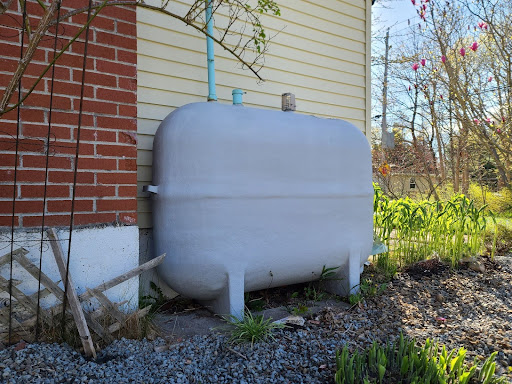
Most residential oil tanks range between 275 and 330 gallons, with the 275-gallon model being the most common. This size often fits the needs of a typical household using oil as its primary fuel source during the winter months.
Measuring Oil Tank Dimensions
Tank dimensions vary, but the standard 275-gallon tank often measures about 60 inches in length, 27 inches in diameter, and around 44 inches in height. The tank’s volume must match the heating demands and the available space in your basement or utility room. As such, always account for clearance around the tank to allow room for inspection and maintenance access.
Factors That Can Influence Ideal Tank Sizes
Home Size and Its Impact on Fuel Needs
The size of your home influences the ideal oil tank capacity. Larger homes naturally require more heat, which leads to increased fuel oil consumption and necessitates a higher-capacity fuel tank to avoid frequent refills. Multi-story homes or those with poor insulation may benefit from an even larger storage tank to maintain consistent warmth.
How Climate Influences Tank Size Choice
Your local climate also plays a role in determining the optimal oil tank size. Homes in colder regions experience longer heating seasons, which increases the need for fuel and makes a larger tank more practical during extended periods of low temperatures. Extreme weather conditions can also impact delivery schedules, making a larger tank a better option.
Evaluating Daily Fuel Consumption
Fuel usage patterns, including daily consumption and thermostat settings, can influence how often a tank needs to be refilled. A fuel consumption calculator can help estimate annual oil usage and guide your decision when evaluating tank options. Tracking your past energy bills can also reveal insights into your household’s heating habits.
Estimating Seasonal Fuel Needs
As a rule of thumb, homeowners should choose a tank that can hold enough heating oil for an entire season if space permits. This minimizes refueling needs during cold weather and helps stabilize fuel pricing through bulk purchases. Planning ahead can help you avoid price spikes during peak heating months.
Finding the Best Spot for Installation
The layout of your property should be considered when deciding where to install the tank. An aboveground storage tank in the basement is a popular choice due to protection from the elements, better access for maintenance, and a reduced chance of water intrusion. The space must also accommodate proper ventilation and meet local building codes.
Integrating the Tank With Central Heating
For homes with central heating, it is important to understand how the tank integrates with the entire energy delivery setup. A properly-sized tank supports system performance, improves combustion consistency, and helps avoid heating disruptions during peak demand.
Need Help Installing a New Oil Tank? Call Professional Tank & Environmental Today
Speaking with an expert oil tank installer is the most surefire way of picking the correct size. Professional Tank & Environmental is here to help homeowners install the perfectly sized tank in their properties! We specialize in aboveground and underground tank removals in Tullytown and many other surrounding areas, so don’t hesitate to give us a call if it’s time for a new tank.