



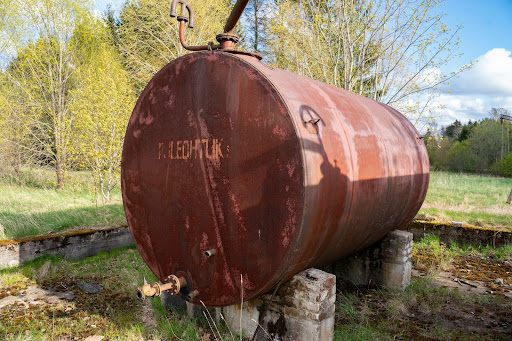
How long does an oil tank removal take? It really depends on the circumstances. The act of removing the tank from your property is only a fraction of the process.
Even after submitting the removal permit and waiting for its approval, which can take several days or longer, there’s still a lot that must be done before your old oil tank is finally removed. Let’s take a look at five important steps in the oil tank removal timeline, how long they can take, and things that might impact the length of the project.
Phase 1: Site Inspection and Preparation (1 Day)
Before any physical removal begins, an inspector visits the property to assess the tank’s condition and location. This phase includes checking for corrosion, signs of a leak, and proximity to structures such as a basement, boiler, or shed. Contractors must also review local construction and environmental regulations that govern petroleum-based storage tanks.
Additionally, professionals will need to mark any underground utilities nearby, test the soil for contamination, and determine the safest excavation method. A contract is usually signed during this stage that covers the scope of work, estimated fee, and disposal methods for any hazardous materials like sludge or fuel oil.
Phase 2: Pumping Out the Tank (Half a Day)
The tank is first emptied using a specialized pump. All remaining heating oil, water, and sludge must be removed to avoid an oil spill. This step is critical for safety, especially when tanks are located close to gas lines or a heat source.
The pump-out typically takes a few hours but can extend if the tank is unusually large or filled with thick, settled sediment. Any reusable fuel is transferred to a temporary storage unit or truck for recycling or later use.
Phase 3: Excavation and Removal (1–2 Days)
Once the tank is empty, the excavation begins. Professionals use heavy equipment to expose the underground storage tank without disturbing the surrounding soil or damaging adjacent structures.
Depending on the tank’s material—often steel or another durable metal—the removal may require cutting or lifting with a crane. The tank is then transported off-site for scrap and recycling. During excavation, crews must work carefully to minimize air pollution and reduce the risk of soil and groundwater contamination.
Phase 4: Soil Testing and Environmental Remediation (1–3 Days)
After the tank is removed, an environmental inspector conducts soil sampling to detect any presence of fuel oil, petroleum residue, or contamination. If pollution is found, additional soil excavation may be necessary.
This stage can vary in length depending on how deep the leak spreads. Soil cleanup is particularly critical in areas where water sources or groundwater flow are nearby, posing environmental and legal risks under current law.
Phase 5: Backfilling and Site Restoration (1 Day)
Once the area is cleared and passes environmental inspection, the crew backfills the hole with clean fill and restores the landscape. Grass, stone, or pavement may be replaced, depending on the original site conditions.
This step concludes the process, allowing the property to meet real estate due diligence standards and removing any future liabilities related to the old heating system.
Factors That Influence Oil Tank Removal Duration
- Tank Size and Material
Larger storage tanks made of thick steel can take longer to remove. Heavy-duty tanks require more time for cutting, lifting, and transport, especially if they are structurally compromised by corrosion. - Accessibility of the Tank
When a tank is located beneath a deck, driveway, or near a basement wall, the excavation becomes more complex. Technicians may need to use smaller machinery or perform additional manual labor, which can add time to the job. - Level of Contamination
Soil and groundwater contamination significantly extend the timeline. Cleanup procedures become more labor-intensive when petroleum or fuel oil has seeped into the surrounding area, triggering additional disposal requirements under environmental law. - Weather Conditions
Heavy rain, snow, or extreme heat can delay excavation and increase safety risks. Wet soil makes digging hazardous and may require additional equipment to stabilize the site. In some cases, it may be better to wait for conditions to improve. - Permit and Inspection Delays
Local municipalities may have long approval timelines for construction and removal permits. Scheduling an inspector for post-removal evaluation can also cause delays depending on how busy they are. - On-Site Hazards
Discovering an unexpected gas line, water main, or previous oil spill adds more complexity to the project. Extra safety precautions must be taken to avoid accidents, and that adds more steps to the removal process.
Call Professional Tank & Environmental for Efficient Removals!
If you need oil tank removal in the greater Philadelphia area, turn to the experts at Professional Tank & Environmental! We provide aboveground and underground tank removals in Tullytown and many other surrounding communities.
Get in touch with our team today to schedule an appointment.