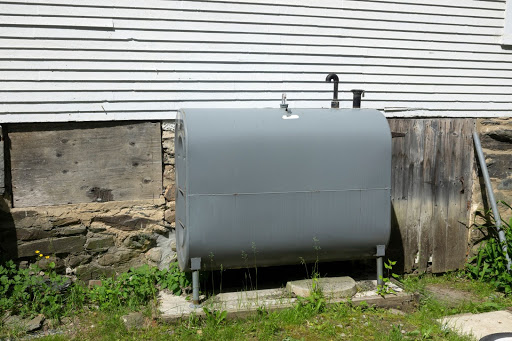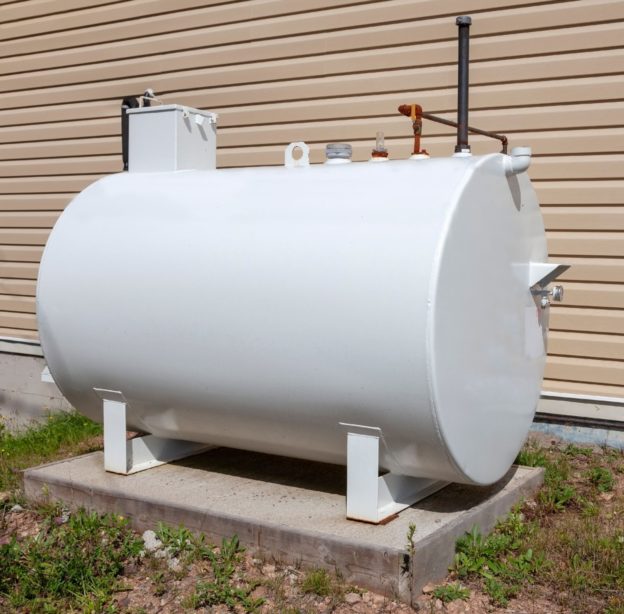

Spring is here, and for many, it’s time to change out their old, possibly damaged oil tank. When they do, they will have a decision to make between two industry titans: Granby steel tanks or Roth double-wall tanks.
Call Today For A Free Estimate
Spring is here, and for many, it’s time to change out their old, possibly damaged oil tank. When they do, they will have a decision to make between two industry titans: Granby steel tanks or Roth double-wall tanks.
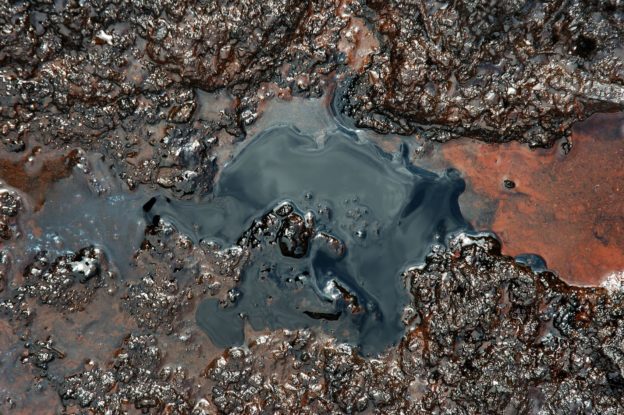
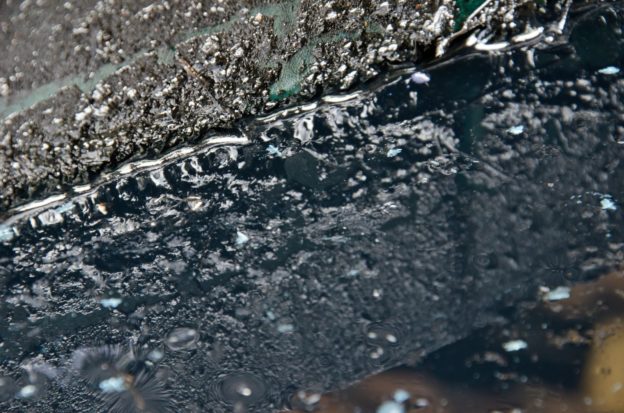
Underground fuel tanks are prone to seep oil or leak, and the likelihood of that happening increases with the tank’s age. The impact of a leak, even a more minor leak, depends mainly on the type of soil the fuel is leaking into. The type of soil can affect everything from the water table to being able to use the soil after remediation. Here’s what you should know:
Many HVAC systems require heating or fuel oil to function. While this is an efficient way to heat your home, it also poses the risk of oil leaks, resulting in costly clean-ups or, even worse, safety issues.
Most only think about it once it becomes an issue, but few challenges strike as much worry in the hearts of property owners as a leaking fuel tank. Fire hazards, fumes, environmental mitigation or underground oil tanks, environmentally-friendly removal, and disposal all loom large.
Once you decide to install a new oil tank, you will have to choose whether to have an indoor or outdoor installation. Both types of installation come with up and downsides. Here are a few things about each to consider before you make any decisions: