



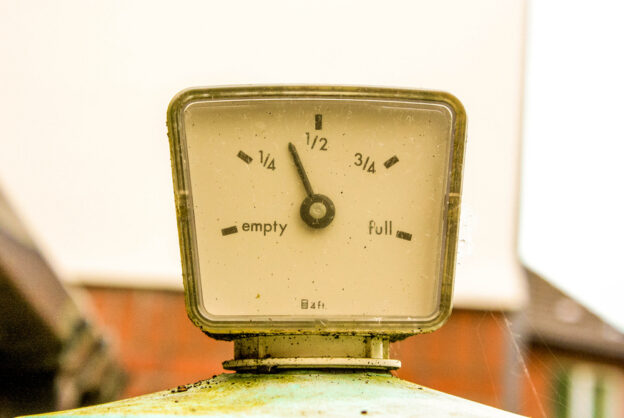
You may first notice a strong oil smell near your basement, garage, or yard before discovering a small puddle or dark stain near your heating oil tank. At first glance, it might seem like a minor issue that can wait a few days before being addressed. However, even a small leak can point to corrosion, structural damage, or wear within the tank system, and tank leaks can quickly escalate into larger problems that threaten your home, your heating system, and even the surrounding environment.
In some situations, repairs may successfully extend the life of the tank and restore safe operation. In other cases, replacing the tank is the smarter long-term investment for safety, efficiency, and environmental protection.
Below, we’ll explore the most common causes of heating oil tank leaks, when repairs may be possible, and when replacement is the better option.
Common Causes of Heating Oil Tank Leaks
Heating oil tanks are designed to be durable, but no tank lasts forever. Over time, wear and environmental conditions can weaken the structure of the tank and lead to leaks. Understanding what causes these issues can help homeowners identify problems early and avoid more extensive damage.
Corrosion and Rust
Corrosion is one of the most common causes of heating oil tank leaks. Steel tanks naturally deteriorate over time as moisture interacts with the metal surface of the tank’s inside.
External rust is also common, particularly in tanks exposed to damp basements, outdoor weather conditions, or poor drainage around the tank. Once corrosion eats through the metal, leaks can form and allow heating oil to escape.
Aging Tanks
Most heating oil tanks have a limited lifespan. Depending on the material, installation quality, and environmental conditions, many tanks begin experiencing significant wear after 15 to 25 years. As tanks age, the metal weakens, seams become vulnerable, and fittings may deteriorate. This is why regular inspections become increasingly important as a tank approaches the later stages of its lifespan.
Damaged Fuel Lines or Fittings
Not every leak comes directly from the tank body itself. Fuel lines, valves, filters, and fittings can also loosen, crack, or corrode over time, and a damaged connection may allow oil to seep slowly from the system.
While these issues are sometimes easier to repair than a damaged tank shell, they still require prompt attention to prevent larger problems.
Physical Damage
Accidental impacts from heavy equipment or vehicles can damage heating oil tanks, especially in garages or outdoor locations. They are also vulnerable to harsh weather conditions, shifting soil, and falling debris.
Poor Maintenance
Neglecting routine maintenance can shorten the life of a heating oil tank significantly. Sludge buildup, water accumulation, and undetected rust can gradually weaken the system. Preventive maintenance, on the other hand, plays a major role in identifying warning signs before they turn into costly repairs or replacements.
When a Heating Oil Tank Can Be Repaired
Not every leaking heating oil tank requires complete replacement. In certain situations, repairs can safely resolve the issue and extend the tank’s lifespan. However, repairs are only appropriate when the damage is limited and the overall condition of the tank remains structurally sound.
- Minor Leaks Around Fittings or Connections: Leaks originating from valves, fuel lines, or fittings are often repairable when caught early and when the tank itself remains in good condition.
- Gauge and Vent Alarm Replacement: Is oil leaking from the top of the tank during a delivery? This often indicates a failed whistle (vent alarm) or a cracked sight glass on the fuel gauge. These are mechanical repairs that are relatively simple for a professional to execute and can resolve overfill leaks immediately.
- Leg and Support Stabilization: If the tank body is in excellent condition but the legs are becoming unstable or the floor beneath them is cracking, an environmental team can often drain the tank, stabilize the supports, and reset the tank safely.
- Small Surface Corrosion Issues: If corrosion is limited to a very small, isolated area and has not compromised the structural integrity of the tank, professionals may be able to patch certain sections temporarily. Please note the “temporarily” here — this repair is considered a short-term solution, designed to give the homeowner more time to schedule a replacement.
When It’s Time to Replace the Tank
While repairs can sometimes solve the problem, there are many situations where replacing the heating oil tank is the safest and most practical decision. After all, an oil spill inside a home can cost thousands of dollars in remediation, making a proactive replacement the much more economical choice.
- Significant Corrosion or Structural Damage: If rust has spread extensively or weakened the tank walls, replacement is usually necessary. Structural deterioration increases the risk of sudden tank failure, which can release large amounts of heating oil into the home or surrounding soil.
- The Tank Is Nearing the End of Its Lifespan: Even if a leak appears minor, an older tank nearing the end of its expected lifespan is often better replaced than repaired. Specifically, a new tank offers greater reliability, improved efficiency, and reduced risk of future leaks.
- Repeated Leak Issues: If the tank has experienced multiple leaks or recurring repair problems, oil tank replacement is typically the smarter option. Frequent repairs often indicate widespread deterioration throughout the system.
- Environmental Concerns: Heating oil leaks can create serious environmental hazards if oil contaminates soil or groundwater. In some cases, local regulations may require tank replacement after a leak occurs, particularly if contamination is discovered.
Protect Your Home With Professional Heating Oil Tank Services
If you notice signs of a leaking heating oil tank, Professional Tank & Environmental can provide thorough inspections, honest recommendations, and dependable repair or replacement services throughout Bucks, Montgomery, Philadelphia, Chester, Delaware, and Lehigh counties. Our experienced team understands how stressful heating oil tank problems can be, and we are committed to helping homeowners protect their property, heating system, and peace of mind.
Contact us today to schedule an inspection or discuss your aboveground or underground oil tank replacement options.