



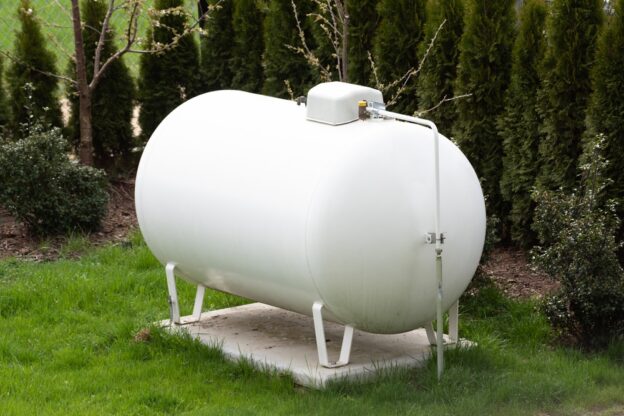
When you’re getting ready to install a new heating oil tank, you need to think about more than simply selecting the right size or model. Tank placement is also an important consideration.
The location of a heating oil tank can directly impact safety, efficiency, accessibility, environmental protection, and long-term maintenance. Thankfully, Professional Tank & Environmental helps Pennsylvania homeowners make informed, code-compliant decisions when installing new oil tanks. With expert site evaluations and in-depth knowledge of local regulations, we ensure every installation is safe, practical, and designed for long-term reliability.
For now, let’s explore the key factors that influence heating oil tank placement so you can feel confident in your investment.
Indoor vs. Outdoor Tank Placement: Benefits and Drawbacks
One of the first decisions homeowners must make is whether to install an indoor or an outdoor oil tank. Each option has advantages and potential drawbacks.
Indoor Heating Oil Tanks
Indoor tanks are typically placed in basements, utility rooms, or garages. For many older homes in the region, this has long been the standard setup.
Benefits of Indoor Placement:
- Protection From Weather: Indoor tanks are shielded from harsh elements such as snow, ice, UV rays, and temperature extremes.
- Reduced Risk of External Corrosion: Because the tank is not exposed to rain or fluctuating outdoor conditions, it may experience less external wear.
- Lower Likelihood of Fuel Gelling: In colder climates, outdoor oil can thicken during extreme cold. Indoor tanks remain at more stable temperatures.
Potential Drawbacks:
- Space Limitations: Not all basements or garages have sufficient room to safely accommodate a new tank.
- Indoor Spill Risk: If a leak occurs, oil can spread inside the home, potentially causing property damage and cleanup challenges.
- Ventilation Requirements: Proper venting and code compliance are critical to prevent fumes and ensure safe operation.
Suffice to say, indoor tanks can be an excellent solution when space allows and proper safety measures are in place. However, careful evaluation is essential.
Outdoor Heating Oil Tanks
Outdoor tanks are installed above ground, typically along the side or rear of a home.
Benefits of Outdoor Placement:
- Preserves Indoor Space: Homeowners can free up valuable basement or utility room space.
- Reduced Interior Spill Damage: In the unlikely event of a leak, the impact is generally confined outdoors.
- Simplified Replacement: Outdoor tanks are often easier to remove and replace when needed.
Potential Drawbacks:
- Exposure to Weather: Outdoor tanks require weather-resistant construction and proper maintenance to prevent corrosion.
- Aesthetic Impact: Some homeowners prefer to conceal or screen outdoor tanks for visual reasons.
Ultimately, the choice between indoor vs. outdoor oil tank placement depends on your property layout, local regulations, and long-term goals. When you choose Professional Tank & Environmental for aboveground oil tank installation, you can trust that we will evaluate each site individually to determine the safest and most practical option.
Important Safety and Environmental Factors to Consider When Placing an Oil Tank
Safety and environmental protection are central to oil tank placement decisions. After all, a properly positioned tank helps prevent contamination, structural damage, and fire hazards.
Proximity to Water Sources
Heating oil is combustible and can cause environmental harm if released into groundwater or nearby bodies of water. Placement should carefully consider:
- Distance from wells and drinking water supplies
- Proximity to storm drains
- Nearby streams, ponds, or wetlands
Even a small leak can have serious environmental consequences, and strategic placement reduces the risk of contamination and protects local ecosystems.
Flood Zones and Drainage
If your property is located in a flood-prone area, placement becomes even more critical. Floodwaters can:
- Dislodge improperly secured tanks
- Cause tanks to float or shift
- Lead to leaks or structural damage
In flood zones, tanks may require anchoring systems or elevated placement to reduce risk. A professional site evaluation ensures your tank remains secure during severe weather events.
Ventilation Requirements
Indoor tanks must meet ventilation and air quality standards. Specifically, proper vent pipe placement and clearances are needed to prevent pressure issues and ensure safe operation. Outdoor tanks must also maintain safe distances from windows, doors, and air intake systems.
Fire Safety Regulations
Because heating oil is flammable, local fire codes establish minimum clearance requirements from structures, ignition sources, and property lines. Placement must allow safe access and avoid proximity to potential hazards. Working with experienced professionals ensures your tank installation adheres to all relevant fire safety standards.
Local Code Compliance and Permitting Requirements
Heating oil tank placement is governed by local building codes, fire codes, and environmental regulations. Requirements can vary depending on the municipality and county.
Permitting may be required before installation, and inspections are often mandatory. Regulations may address:
- Minimum setback distances
- Approved foundation or pad materials
- Tank size limitations
- Secondary containment requirements
- Anchoring standards in flood-prone areas
Failure to comply with local regulations can result in fines, forced relocation of the tank, or complications during property sales.
Professional Tank & Environmental handles permitting and ensures every installation meets applicable codes in Bucks, Montgomery, Philadelphia, Chester, Delaware, and Lehigh counties. Our team stays current with evolving regulations so homeowners don’t have to navigate them alone. We also understand where not to install aboveground oil tanks.
Accessibility Considerations for Delivery, Maintenance, and Future Removal
Practical access is another essential factor when deciding where to place your heating oil tank.
Fuel Delivery Access
Delivery trucks need safe and unobstructed access to the fill pipe. Long or complicated delivery routes can increase the risk of spills or operational delays. Ideally, the fill location should be easily reachable from the driveway without requiring excessive hose length.
Routine Maintenance and Inspections
Heating oil tanks require periodic inspection to monitor for corrosion, leaks, and system integrity. Placement should allow:
- Clear access to tank fittings
- Room for technicians to safely perform inspections
- Visibility of the tank bottom and supports
Future Removal or Replacement
Although modern tanks are built for durability, they will eventually require replacement. Placement that allows straightforward removal can significantly reduce future labor costs and disruption.
How Close Can an Oil Tank Be to Your House or Property Line?
This is one of the most common questions homeowners ask, and the answer depends on local codes.
Generally, regulations establish minimum setback distances between the tank and:
- The home’s foundation
- Adjacent structures
- Property lines
- Ignition sources
For outdoor tanks, clearance requirements may range from several feet away from structures and property boundaries. Indoor tanks must also meet specific clearance standards from walls and equipment.
Because these requirements vary by municipality, it’s critical to verify the applicable codes before installation. Improper placement could lead to violations or required relocation.
At Professional Tank & Environmental, we perform thorough site assessments to determine proper setback distances and ensure full compliance with local regulations.
Start Your Installation Off Right by Understanding Proper Heating Oil Tank Placement
Where you place your heating oil tank matters — not just today, but for years to come. Proper placement protects your home from damage, ensures safe and efficient operation, and reduces environmental risk. It also simplifies fuel delivery, maintenance, and eventual tank replacement.
At Professional Tank & Environmental, we provide expert guidance, comprehensive site evaluations, and code-compliant installation services to ensure every tank is placed safely and strategically. Our experienced team understands the local requirements and environmental considerations that impact homeowners throughout the region.
If you’re planning a new heating oil tank installation in Bucks, Montgomery, Philadelphia, Chester, Delaware, or Lehigh counties, we’re here to help. Contact our experts today to schedule a consultation and ensure your new heating oil tank is installed in the safest, most effective location possible.